
Are you a healthcare professional struggling to build a website and brand design that actually works?
You’re not alone. Whether you’re a therapist, coach, nutritionist, or clinic owner, it’s easy to feel overwhelmed trying to create a website while juggling everything else—from client care and marketing to understanding SEO.
Here’s the truth: your website is more than just a digital business card. It’s often your first impression, your brand identity, and your #1 marketing tool—all in one. But if it’s not designed right or optimized for user experience, you’re leaving opportunities (and clients) on the table.
In this guide, we’ll walk through exactly what healthcare website design should look like for health and wellness professionals. We’ll break down what makes a great design, how to connect with your ideal audience online, and simple ways to make your website more user-friendly (and Google-friendly). No tech jargon, no complicated strategies—just everyday advice you can actually use.
Let’s make your wellness business shine online.
Why Healthcare Website Design Matters More Than You Think
A well-designed website builds trust. In the health and wellness space, trust is everything. People are coming to you for support, guidance, and sometimes vulnerable help—so your website should reflect professionalism, warmth, and clarity.
Here’s what a poorly designed site can do:
- Confuse visitors with cluttered navigation
- Turn people away with slow load times
- Fail to rank on search engines
- Miss opportunities to convert visitors into clients
On the flip side, a thoughtfully designed site can:
- Help you rank better in search results
- Build your brand reputation
- Keep people browsing (and booking)
- Make your content easier to digest
And it’s not just about how your website looks—it’s also about how it works.
The Biggest Pain Points Wellness Pros Face With Their Website
Let’s be honest: most health and wellness pros didn’t start their business to become web designers or SEO experts. You probably started because you’re passionate about helping people.
But building a brand and online presence can feel like a full-time job in itself.
Here are some common struggles:
- Not knowing where to start with design or branding
- Overwhelmed by SEO, keywords, or technical stuff
- Frustrated with DIY website builders that don’t look professional
- Unsure how to write or organize content
- Not getting leads, despite putting in effort on social or email
Sound familiar? Good news: these problems are solvable—without needing a marketing degree.
Key Features of a High-Impact Healthcare Website Design
Let’s get practical. Here’s what every health and wellness website should include to build trust and drive results:
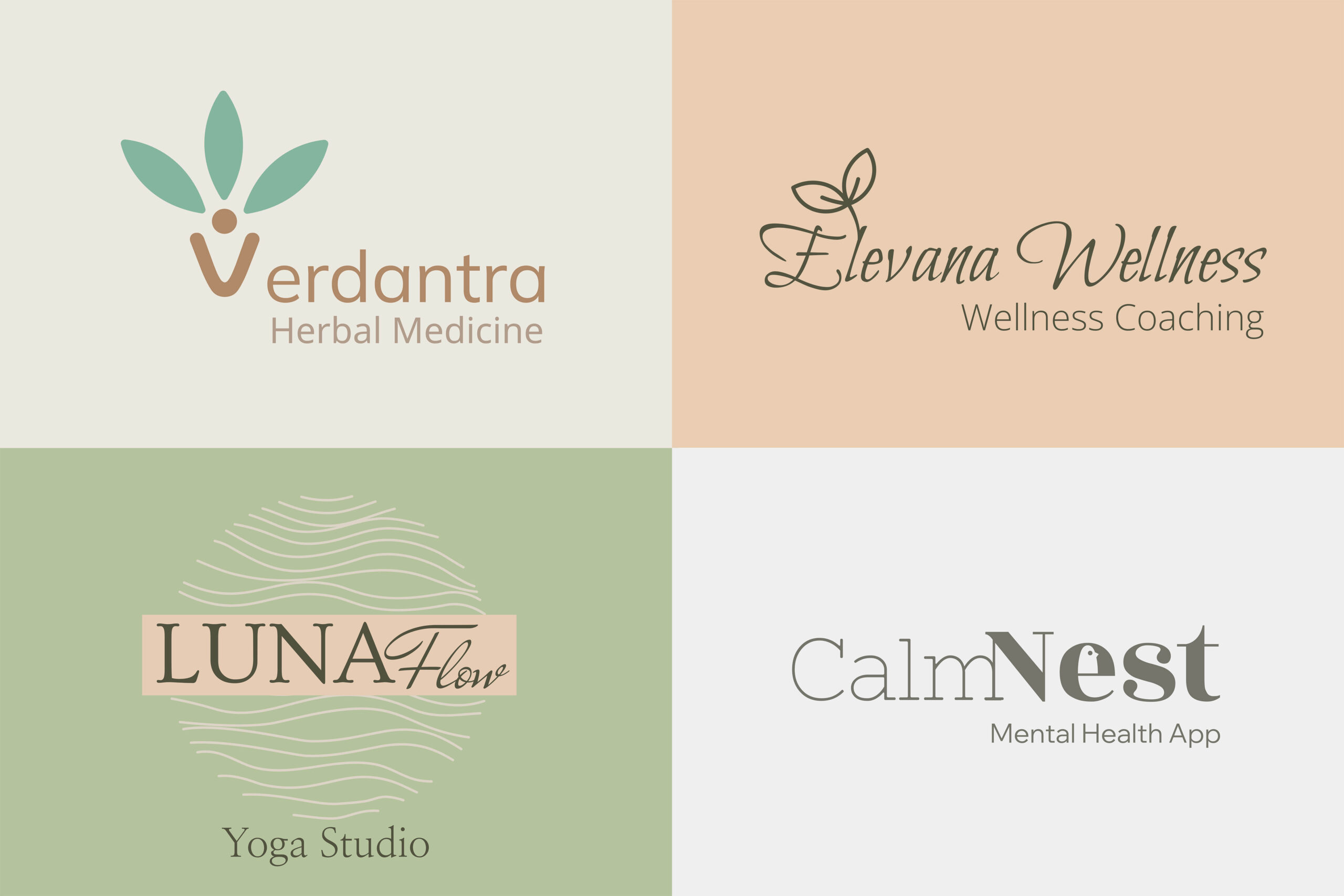
Clear Brand Identity
Your brand should come through instantly:
- A simple logo
- Calming color palette (think blues, greens, neutrals)
- Professional photography or stock images with a human touch
- Consistent fonts and tone
People need to know who you are and what you stand for at a glance.
Easy Navigation
Don’t make users hunt for what they need. Your menu should include:
- Home
- About
- Services
- Blog or Resources
- Contact
Bonus tip: Stick to one main call-to-action (like “Book a Consultation”) and make it easy to find.
Mobile-Friendly Design
Most people are searching from their phones. Your site needs to load quickly, resize beautifully, and be easy to tap and scroll on any device.
Optimized Content for SEO
You don’t need to stuff your site with keywords. Instead, focus on:
- Speaking your audience’s language (e.g., “stress relief for busy moms” vs. “mental wellness support”)
- Writing helpful blog posts with natural keyword use
- Using headings, bullet points, and short paragraphs for easy reading
Tip: Use your main service keyword (like healthcare website design) in your page titles, headings, and meta descriptions.
Trust Builders
People want to know they’re in good hands. Include:
- Testimonials or reviews
- Certifications or licenses
- Professional headshots
- A personal “About” section that shares your story
Simple Ways to Optimize User Experience (UX)
A great website isn’t just pretty—it works for your visitors. Here’s how to keep them engaged and moving toward action:
Use Clear Language
Avoid medical or coaching jargon. Instead, speak how your clients speak. Example:
Instead of “We offer integrative modalities,” say “We help you manage stress and anxiety using proven wellness techniques.”
Create a Smooth Booking Experience
Make it easy for people to take the next step:
- Add a “Book Now” button to every page
- Use an easy scheduling tool like Calendly or JaneApp
- Keep your contact form short and simple
Add Educational Content
Blog posts, guides, or quick tips help you rank on Google and build trust. Start with FAQs your clients often ask.
Example topics:
- “What to Expect in Your First Therapy Session”
- “5 Natural Ways to Support Your Immune System”
- “How to Choose the Right Health Coach”
This builds your authority and helps SEO.
Don’t Let Marketing Overwhelm Stop You
You don’t have to do everything at once. Here’s a quick checklist to help you start with confidence:
- Define your brand’s look and feel
- Choose a clean, mobile-friendly design (WordPress or Showit are great options)
- Write clear, helpful content with your ideal client in mind
- Focus on one call-to-action
- Start small with SEO—target one keyword per page
- Add a blog and update it twice a month
And remember: done is better than perfect. A simple, well-structured site will always beat a fancy one with poor usability.
Conclusion: Make Your Website Work as Hard as You Do
Creating an effective healthcare website design doesn’t have to be overwhelming. With the right structure, simple design principles, and a user-first mindset, you can build a site that helps your wellness business grow—and genuinely supports your clients.
Start small, stay consistent, and focus on clarity over complexity. And if you ever feel stuck, remember: there are expert resources and designers who specialize in this space and can help you move faster.
Want more tips on design, SEO, and branding for wellness professionals? Explore our blog for more how-to guides and insights tailored just for you.